Frankie Bennett · 1 September 2026
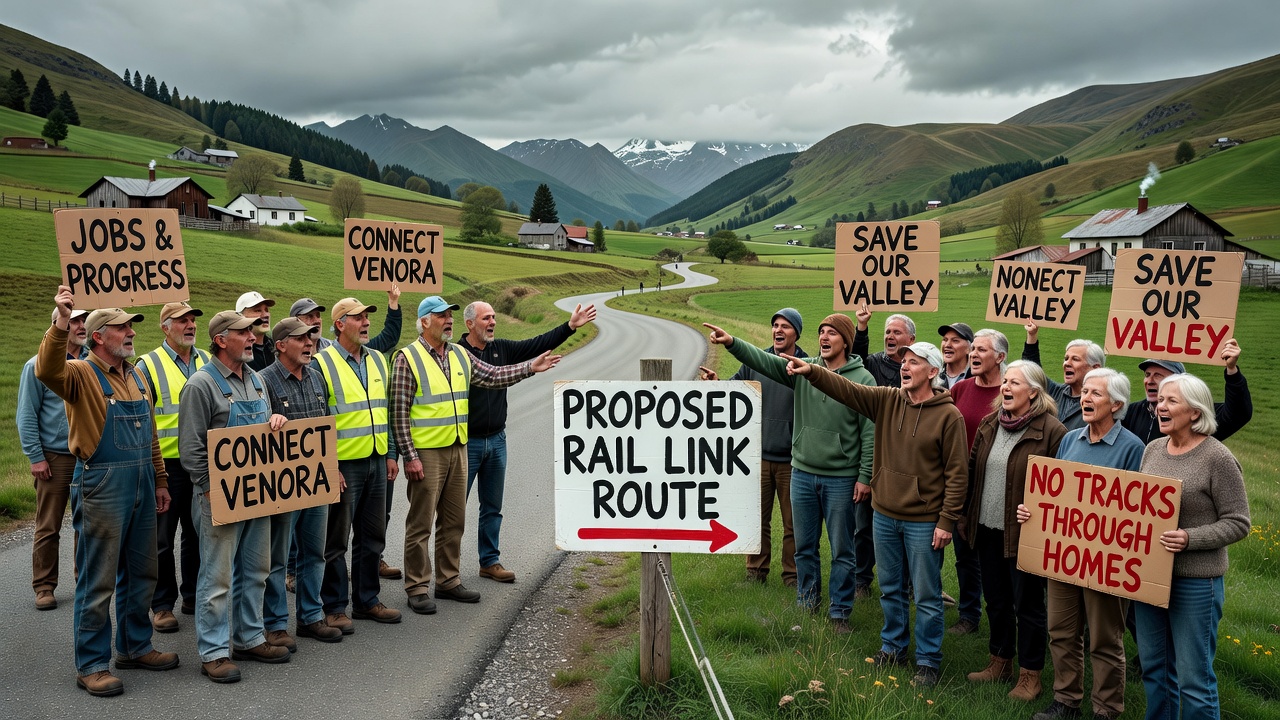
The proposed new rail link connecting Venora Valley to adjacent metropolitan areas has sparked intense debate regarding its implications for regional growth and development. Residents, business owners, and cultural advocates are voicing varied opinions on how this infrastructure might reshape the valley's future. Venora Valley has long been celebrated for its rich cultural tapestry, including ancient traditions and vibrant local arts scenes. The rail initiative promises faster travel but raises questions about balancing modernization with heritage conservation. Engineering reports detail the route passing through several key areas, aiming to minimize disruption while maximizing efficiency.
Economic Prospects and Challenges
Advocates point to the economic advantages, such as enhanced trade opportunities and increased visitor numbers that could revitalize local markets. Construction of the rail line is projected to create hundreds of temporary jobs, with ongoing employment in maintenance and related services. Analysts predict that improved connectivity will encourage investment in hospitality and retail sectors, potentially leading to a surge in property values along the corridor. Nevertheless, concerns persist about the distribution of these gains. Small-scale farmers and artisans worry that larger enterprises could dominate, altering the valley's economic landscape in ways that diminish community cohesion.
Cultural Preservation Amidst Development
Critics of the project stress the importance of safeguarding Venora's unique cultural elements from the homogenizing effects of rapid urbanization. Traditional events and sites might lose their authenticity if overwhelmed by tourist influxes facilitated by the new rail access. Environmental impacts, including noise pollution and land use changes, are also highlighted as potential threats to the valley's appeal. Public consultations are underway to address these issues, with proposals for mitigation measures like protected zones and cultural education programs. The ongoing discussions reflect broader themes in regional planning, where infrastructure decisions carry significant weight for future generations. As the debate continues, the outcome will likely influence similar projects across cultural regions, setting precedents for thoughtful integration of new transport links.