Henrik Foster · 1 September 2026
The Venora Festival has emerged as a premier event celebrating the fusion of ancient artisanal skills with contemporary creativity. Held over three days in the central square, it featured exhibitions, performances, and interactive sessions that drew crowds from across the region. Organizers reported a significant increase in participation compared to previous years, attributing this to the growing public interest in sustainable and culturally rich products. The festival not only preserved time-honored techniques but also encouraged artisans to experiment with new forms and materials, resulting in unique pieces that bridge generations.
Special guests included renowned cultural historians who provided context on the evolution of these crafts over centuries in Venora. Their lectures were well attended and sparked lively debates on preservation versus innovation. Food stalls offered traditional Venora cuisine, providing a full sensory experience that complemented the visual and tactile craft displays.
Traditional Crafts on Full Display
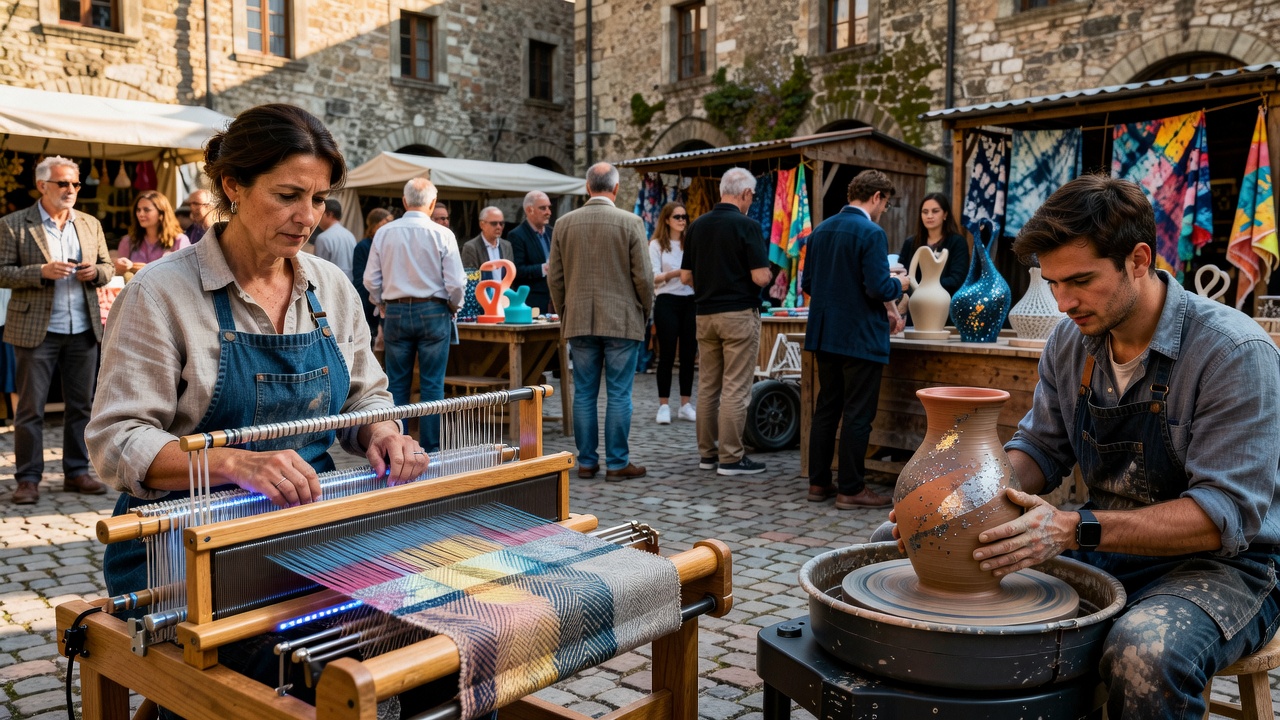
Among the highlights were demonstrations of pottery making using clay from local rivers, where artisans shaped vases with intricate patterns passed down through families. Textile weaving sessions showcased looms producing fabrics with geometric designs inspired by historical Venora motifs. Wood carving experts displayed tools and methods for creating furniture that combines durability with aesthetic appeal. Attendees could participate in short courses to try their hand at these crafts, gaining insight into the patience and skill required. The emphasis on using organic and locally sourced materials underscored the festival's dedication to environmental stewardship and cultural continuity.
Embracing Modern Twists for Wider Appeal
Modern interpretations included the use of recycled plastics in jewelry making alongside traditional beadwork, creating vibrant accessories popular among urban youth. Digital technology was incorporated through apps that allowed visitors to design custom patterns for prints on fabrics before seeing them realized by craftsmen. Collaborations with contemporary artists led to installations that merged sculpture with functional craft items. Panel discussions explored how these innovations can open new markets while respecting origins. The festival concluded with a marketplace where sales exceeded expectations, proving the commercial viability of this blended approach. This event has set a precedent for future cultural gatherings aiming to keep traditions alive through evolution and adaptation.